
Promoting Intergenerational Programming in Long-Term Care: Crickbet99, Sky 99 exch id, Reddy anna casino
crickbet99, sky 99 exch id, reddy anna casino: Promoting intergenerational programming in long-term care facilities has become increasingly popular in recent years. This type of programming brings together residents of long-term care facilities, typically older adults, with children and young adults from the community. The benefits of intergenerational programming are vast, including reducing feelings of isolation and loneliness, improving mood and cognitive function, fostering a sense of purpose, and creating a vibrant and engaging environment for all participants.
Why is intergenerational programming important?
Intergenerational programming is important for several reasons. Firstly, it helps bridge the gap between generations and fosters understanding and empathy between older adults and younger generations. It also provides opportunities for social interaction and companionship, which can alleviate feelings of loneliness and depression commonly experienced by residents in long-term care facilities. Additionally, intergenerational programming can help improve cognitive function in older adults and stimulate creativity and learning in children.
How can long-term care facilities promote intergenerational programming?
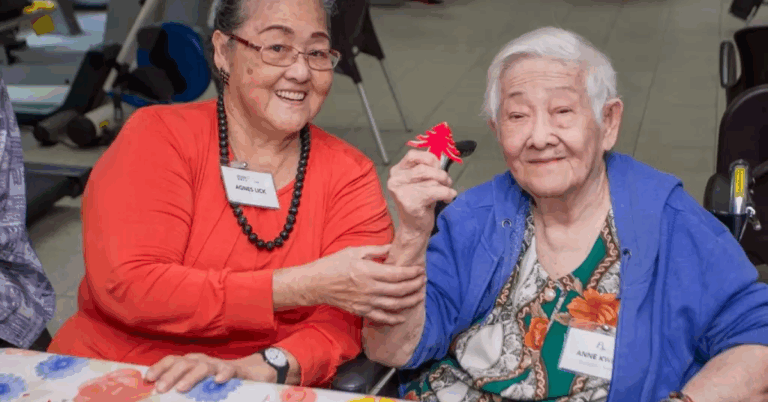
There are several ways that long-term care facilities can promote intergenerational programming. One effective strategy is to partner with local schools, daycare centers, or community organizations to organize regular visits or events that bring together residents and children. These events can include activities such as art projects, music performances, storytelling sessions, or even just casual socializing. By creating a welcoming and inclusive environment, long-term care facilities can encourage meaningful interactions between generations and foster lasting relationships.
Benefits of intergenerational programming
Intergenerational programming has been shown to have numerous benefits for both older adults and children. For older adults, participating in intergenerational activities can help reduce feelings of social isolation and increase overall well-being. It can also provide opportunities for mentoring, teaching, and passing on knowledge and wisdom to younger generations. For children, intergenerational programming can help build empathy, understanding, and respect for older adults, as well as provide valuable learning experiences and role models.
How to engage residents in intergenerational programming
Engaging residents in intergenerational programming can be done in a variety of ways. One approach is to involve residents in planning and organizing intergenerational events, allowing them to take an active role in shaping their experiences. Residents can also be encouraged to share their interests, hobbies, and life experiences with younger participants, fostering a sense of connection and mutual understanding. By creating a supportive and inclusive environment, long-term care facilities can ensure that residents feel comfortable and excited about participating in intergenerational programming.
In conclusion, intergenerational programming in long-term care facilities has the potential to create meaningful connections, foster understanding between generations, and improve the overall well-being of residents and children alike. By promoting intergenerational programming, long-term care facilities can create vibrant, engaging communities that benefit everyone involved.
FAQs
Q: What are some examples of intergenerational activities?
A: Some examples of intergenerational activities include art projects, music performances, storytelling sessions, gardening, and cooking classes.
Q: How can I get involved in intergenerational programming?
A: You can get involved in intergenerational programming by contacting your local long-term care facility or community organization to inquire about volunteer opportunities or upcoming events.
Q: What are the benefits of intergenerational programming for older adults?
A: The benefits of intergenerational programming for older adults include reducing feelings of isolation, improving cognitive function, fostering a sense of purpose, and providing opportunities for mentoring and teaching.
Q: How can intergenerational programming benefit children?
A: Intergenerational programming can benefit children by building empathy, understanding, and respect for older adults, providing valuable learning experiences, and creating opportunities for positive role modeling.
Q: What are some tips for creating successful intergenerational programming?
A: Some tips for creating successful intergenerational programming include involving residents in planning and organizing events, creating a welcoming and inclusive environment, and providing opportunities for meaningful interactions and connections between generations.