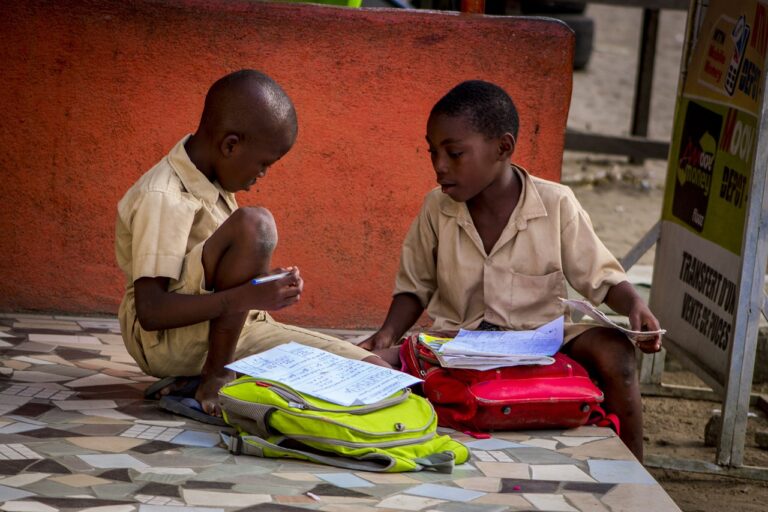

Fostering Positive School Climate: Strategies for Bullying Prevention
Bullying is a prevalent issue in schools worldwide, affecting students’ well-being and academic success. As educators, parents, and community members, it is crucial to take proactive measures to foster a positive school climate and prevent bullying. By implementing effective strategies, we can create a safe and supportive environment where all students feel valued and respected. Here are some strategies for bullying prevention:
Educate Students About Bullying
One of the most fundamental steps in preventing bullying is educating students about what bullying is and its impact. By raising awareness and providing information about different forms of bullying, such as verbal, physical, and cyberbullying, students can better recognize and report bullying behaviors. Schools can incorporate anti-bullying lessons into their curriculum and organize awareness campaigns to emphasize the importance of kindness and empathy.
Promote Positive Relationships
Building positive relationships among students, teachers, and staff is essential for creating a supportive school community. Encourage students to practice empathy, cooperation, and inclusivity towards their peers. By fostering a culture of respect and understanding, students are less likely to engage in bullying behaviors. Teachers can also model positive behavior and intervene promptly when they notice any signs of bullying.
Implement Comprehensive Policies
Schools should have clear and comprehensive anti-bullying policies in place to address and prevent bullying effectively. These policies should outline the consequences of bullying, procedures for reporting incidents, and support services available to victims and perpetrators. It is essential for schools to enforce these policies consistently and involve students, parents, and staff in their development and implementation.
Provide Social-Emotional Learning Programs
Social-emotional learning (SEL) programs help students develop essential skills such as self-awareness, self-regulation, empathy, and decision-making. By incorporating SEL into the curriculum, students learn how to manage their emotions, communicate effectively, and build positive relationships. These skills not only prevent bullying but also contribute to students’ overall well-being and academic success.
Encourage Reporting and Support
Creating a culture where students feel safe and supported to report bullying is critical in preventing further incidents. Schools should provide multiple reporting avenues, such as anonymous tip lines or trusted staff members, to ensure that students can report bullying without fear of retaliation. Additionally, schools should offer support services for both victims and perpetrators of bullying to address the root causes of the behavior.
Involve the Community
Preventing bullying requires a collective effort from the entire community, including parents, local organizations, and law enforcement. Schools can partner with community stakeholders to raise awareness about bullying, share resources, and coordinate prevention efforts. By involving the community, schools create a network of support that reinforces positive behaviors and values both inside and outside the school.
FAQs
Q: What should I do if my child is being bullied?
A: If your child is being bullied, it is essential to listen to their concerns, offer support, and report the bullying to the school. Work with school officials to develop a plan to address the situation and ensure your child’s safety.
Q: How can I support bullying prevention at home?
A: Parents can support bullying prevention efforts by encouraging open communication with their children, teaching them empathy and respect for others, and modeling positive behavior at home. It is essential to reinforce the importance of kindness and inclusion in all interactions.
Q: What role do bystanders play in bullying prevention?
A: Bystanders have a crucial role in preventing bullying by speaking up against bullying behavior, supporting the victim, and seeking help from adults. By refusing to be passive observers, bystanders can help create a culture where bullying is not tolerated.
By implementing these strategies and fostering a positive school climate, we can create a safe and inclusive environment where bullying is not tolerated. Together, we can empower students to be empathetic, respectful, and responsible members of the school community. Let’s work together to prevent bullying and promote a culture of kindness and acceptance in our schools.